
How to build a resilient minimalist streetwear guide
· Safwan

Fast fashion keeps moving, and most urban wardrobes are left behind. Trends flip every season, leaving ambitious people with closets full of pieces that no longer say anything real. A resilient style guide is not about chasing the next drop or stacking logos. It is a personal operating system built on discipline, utility, and underground confidence. This guide walks you through every step of building a minimalist streetwear wardrobe that endures the grind, reflects your ambition, and signals exactly who you are without shouting. If you are serious about your image and your mindset, this is where you start.
Table of Contents
- Understanding resilience in streetwear
- Essential components of a resilient minimalist wardrobe
- Step-by-step: Building your resilient style guide
- Common mistakes and how to verify resilience in your style
- Why most urban style guides fail (and how resilience changes everything)
- Equip your journey with Dark Commission essentials
- Frequently asked questions
Key Takeaways
| Point | Details |
|---|---|
| Resilient over trendy | Build your style around durability, utility, and disciplined expression to stand out from trend-driven crowds. |
| Choose versatile staples | Invest in modular hoodies, ripstop pants, and subtle tees that can adapt across situations and seasons. |
| Simple system, bold intent | A minimalist wardrobe with subtle narrative or technical details broadcasts ambition and resilience. |
| Check your curation | Regularly verify that every piece aligns with your operating code and isn’t dictated by passing hype. |
Understanding resilience in streetwear
Resilience in streetwear does not mean buying the toughest jacket on the market. It means building a wardrobe that holds its meaning and function over time, regardless of what the algorithm pushes next week. Think of it less like a collection and more like a system. Every piece earns its place because of what it does and what it represents, not because it was trending.
The contrast between maximalist and minimalist streetwear is sharper than most people realize. Maximalist streetwear leans into bold graphics and logos, whereas minimalist styles convey restraint and maturity. Maximalism communicates loudly. Minimalism communicates precisely. For someone building a resilient wardrobe, precision always wins.
Gorpcore, the outdoor-utility aesthetic that blew up in the early 2020s, is worth understanding here. It brought functional details like weather-resistant shells, cargo pockets, and trail-ready silhouettes into urban fashion. The utility is real and useful. But over-functionality can dilute your message. When every piece has twelve pockets and three zippers, the outfit starts to look reactive rather than intentional. You lose the clarity that makes minimalist style powerful.
The resilient style mindset flips the script. Instead of asking “what is everyone wearing,” you ask “what does this piece do for me, and does it align with my values.” Internal alignment drives outward expression. You can find examples of resilient style that show exactly how this mindset translates into real garments.
Minimalist vs. maximalist: at a glance
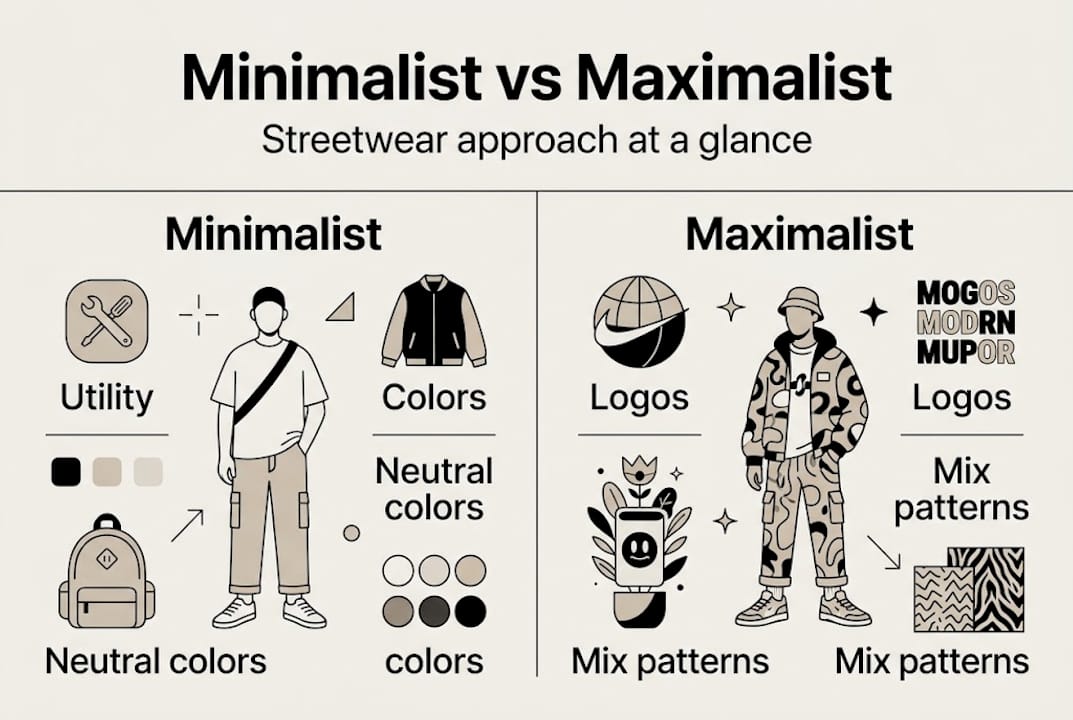
| Attribute | Minimalist | Maximalist |
|---|---|---|
| Visual noise | Low | High |
| Longevity | High | Trend-dependent |
| Message clarity | Sharp | Diluted |
| Versatility | Strong | Limited |
| Resilience score | High | Low |
Core traits of a resilient streetwear mindset:
- Prioritizes function and durability over hype
- Chooses pieces that work across multiple contexts
- Lets quality and subtlety do the talking
- Avoids reactive purchases driven by social media cycles
“Style built on discipline does not need volume. It needs precision.”
Understanding brand resiliency principles from design culture reinforces this point. The same logic that makes a brand endure applies to a personal wardrobe.
Essential components of a resilient minimalist wardrobe
With resilience defined, the next step is to know exactly which garments should anchor your wardrobe. Not everything deserves a spot. The pieces that make the cut share two core traits: fabric durability and genuine versatility. These are the bedrock, not the bonus.

Combat load minimalism is about versatile, durable pieces for everyday endurance and ambition. That framing is useful. Think of your wardrobe the way a soldier thinks about gear: every item must justify its weight. If it cannot serve at least two purposes or contexts, it does not belong.
Here are the three core items every resilient minimalist wardrobe needs:
- Modular hoodie. A heavyweight, structured hoodie with clean lines and minimal branding is the cornerstone. Look for articulated patterning that allows full range of motion, reinforced seams, and a fit that layers well over base layers or under a shell jacket. The DC hoodie is a strong example of this done right.
- Ripstop or technical pants. Ripstop fabric resists tearing under stress and holds its shape through daily wear. Look for integrated pockets placed for actual use, not decoration. A slim or tapered cut keeps the silhouette clean.
- Subtle graphic tee. The graphic tee is where personal narrative enters the wardrobe. Keep the graphic small, intentional, and meaningful. Avoid oversized prints that overwhelm the piece. Durable logo t-shirts with restrained branding hit this balance perfectly.
Key fabric and construction features to look for
| Feature | Why it matters |
|---|---|
| Heavyweight cotton or fleece | Holds structure and warmth over time |
| Reinforced stitching | Extends garment life under daily stress |
| Articulated patterning | Allows movement without distorting fit |
| Neutral or muted colorways | Maximizes mix-and-match versatility |
Pro Tip: Prioritize multipurpose garments that layer easily. A hoodie that works under a jacket and over a tee gives you three outfit configurations from one piece. That is endurance in design applied to your closet.
Also consider minimalist short sleeves for warmer months. The same principles apply: clean construction, intentional detail, and a fit that communicates control.
Step-by-step: Building your resilient style guide
Knowing what to wear is only half the journey; making it systematically your own takes clear steps. This is where most people stall. They know the aesthetic but never build the system. Here is how you do it.
- Audit your current wardrobe. Pull everything out. Ask one question for each piece: does this serve a clear function and reflect my values? If the answer is no, it goes. Be ruthless. Reactive impulse buys and trend pieces dilute your system.
- Cull reactive items. Anything purchased because it was trending, on sale, or worn by someone you follow online is a candidate for removal. These pieces create visual noise and undermine the clarity of your wardrobe.
- Identify core gaps. After the cull, you will see what is missing. Maybe you have no reliable base layer. Maybe your outerwear does not layer with anything else. Write it down. These gaps are your next purchases, not random drops.
- Refine your color system. Resilient brands prioritize internal alignment over chasing trends, and your wardrobe should do the same. Stick to two or three anchor colors: black, slate, olive, or navy work well. Everything should mix without effort.
- Integrate personal narrative. This is where subtle graphic tees and pieces with underground references earn their place. Choose graphics that carry meaning for you, not just visual interest for others.
- Lock in your system. Document your wardrobe. A simple list or photo reference works. This makes future purchases deliberate, not impulsive.
Pro Tip: Build a mood board anchored in discipline and ambition before you shop. Pull images of environments, textures, and silhouettes that match your mindset. Let that board filter every purchase decision.
The goal of subtle narrative design is to communicate depth without overexplaining. Your wardrobe should do the same. People who know, know.
Common mistakes and how to verify resilience in your style
Even with a great system, it is easy to slip; here is how to avoid that and check your progress. The most common mistake is buying for the moment. A limited drop, a collab, a viral piece. These feel urgent and then feel wrong three months later.
Over-functionality is the second trap. Technical construction is key, but over-functionality risks losing your authentic voice. A jacket with reflective panels, ten pockets, and a built-in balaclava is impressive engineering. But if it clashes with the clean lines of your system, it is just expensive noise.
Logo overload is the third mistake. Stacking branded pieces from multiple labels creates confusion, not identity. One strong brand statement per outfit is enough. Let the quality speak.
Here is a quick checklist to verify your wardrobe is actually resilient:
- Does this piece last through daily wear without losing shape or color?
- Can I wear it in at least two different contexts or seasons?
- Does it align with my personal values and aesthetic code?
- Did I buy it with intention, or because of external pressure?
- Does it work with at least three other pieces in my wardrobe?
Resilient wardrobe vs. trend-driven closet
| Factor | Resilient wardrobe | Trend-driven closet |
|---|---|---|
| Purchase motivation | Intentional and values-based | Reactive and hype-driven |
| Longevity | Seasons to years | Weeks to months |
| Versatility | High across contexts | Low, occasion-specific |
| Identity clarity | Strong and consistent | Fragmented |
For authentic resilient design, the standard is always quality, adaptability, and meaning. Check your technical construction choices against that standard regularly.
“True resilience is measured by what remains after months of grind, not just on drop day.”
Why most urban style guides fail (and how resilience changes everything)
After verifying your style, it is worth understanding why most others never quite make the cut. Most urban style guides are built around aesthetics, not systems. They tell you what to buy, not how to think. That is why they expire the moment the trend does.
Conventional wisdom says more is better. More pieces, more variety, more options. But that thinking dilutes your narrative. The people who actually stand out in urban spaces are not the ones with the most gear. They are the ones with the clearest code. They wear the same silhouettes, the same colors, the same level of restraint, and they never flinch when trends shift.
Resilience in style is not about stubbornness. It is about knowing what you stand for and letting that drive every choice. Style is armor. It is also a message. The most powerful message is one that stays consistent whether you are in a meeting, on a corner, or in a crowd. Moving in silence while your wardrobe speaks for you is the real flex.
Build your code. Stick to it. Let others chase the next drop.
Equip your journey with Dark Commission essentials
Ready to take action and build out your own resilient streetwear system? Dark Commission’s core lineup was designed around exactly the principles in this guide: discipline, utility, and minimalist confidence that does not need to announce itself.
The DC hoodie delivers the modular, heavyweight anchor your wardrobe needs. The Simple Logo T-Shirt brings subtle narrative without noise. Both pieces are built to layer, endure, and communicate your standard without overexplaining it. Browse the full Dark Commission collection to find the pieces that fit your system and your mindset. Every item is designed to earn its place, not just fill a shelf.
Frequently asked questions
What makes a streetwear wardrobe resilient?
A resilient streetwear wardrobe centers on versatile, durable pieces that prioritize discipline, adapt to any situation, and avoid fleeting trends. Resilience in streetwear is rooted in quality and discipline, not trend-chasing.
How do I avoid looking plain while keeping a minimalist style?
Use subtle graphics, smart textures, and technical construction to express your personality without overloading on logos or colors. Survivor narratives and technical details can add real depth to minimalist pieces.
Can I mix gorpcore with resilient minimalism?
Yes, but prioritize function that aligns with your needs and avoid over-functionality that clashes with your core minimalist system. Gorpcore adds utility but excess can undermine the resilience of your overall wardrobe.
How do I verify my wardrobe is resilient?
Ask yourself if each piece serves multiple functions, endures daily wear, and reflects your disciplined intent. Quality, adaptability, and meaning are the three measures that confirm a wardrobe is on track.